Welcome to WasteOmatic Systems
Innovative Waste Management Integration
About US
Wasteomatic Inc.
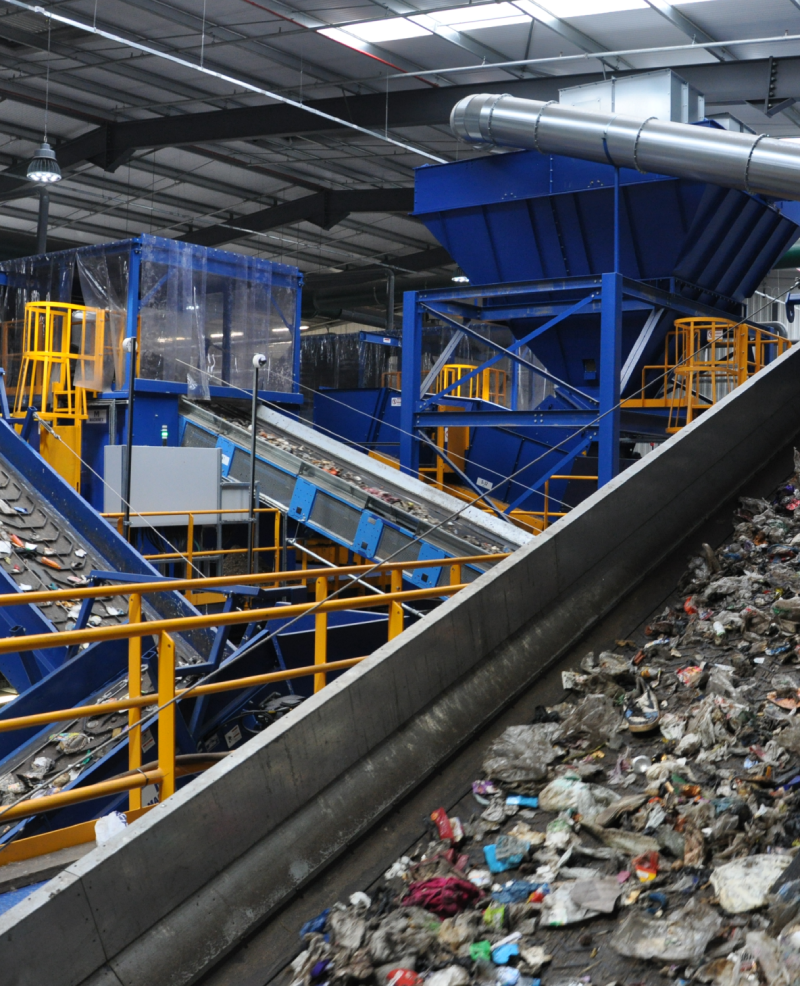
Wasteomatic is a global leader in waste management solutions, offering a comprehensive range of equipment to address waste challenges worldwide. Our portfolio includes state-of-the-art waste sorting plants, shredders, and incinerators, designed to efficiently process and manage various types of waste. Whether you’re an industrial client or a local municipality, our solutions provide sustainable and cost-effective waste management solutions. Wasteomatic specializes in integrated municipal solid waste, stale waste (mineralized waste), and construction and demolition waste treatment. We provide comprehensive services including equipment, project integration, installation, commissioning, and resource utilization. Additionally, we offer industrial waste treatment solutions. All our products incorporate advanced technologies and reliable processing methods. They have been certified to ISO9001:2000 quality standards, ensuring consistent product quality and reliability. Our company is dedicated to integrity, innovation, and excellence. We believe that strong brands are built through service, and we are committed to providing comprehensive support throughout the entire product lifecycle for our clients.
Wasteomatic is committed to delivering outstanding technical support to help you achieve sustainable industrial growth and maximize product value. Our goal is to create a win-win partnership while generating exceptional social value.

Services
Wasteomatic Sorting & Processing Capabilities
Scalability
High Precision
Lorem ipsum dolor sit amet consector.
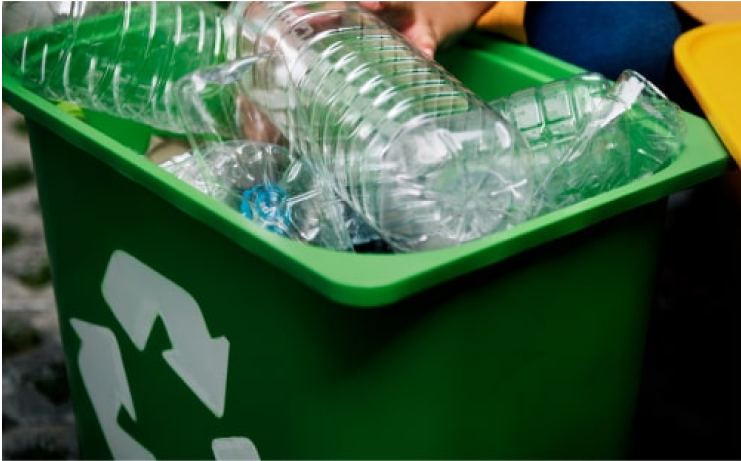
Real-Time Data
Lorem ipsum dolor sit amet consector.
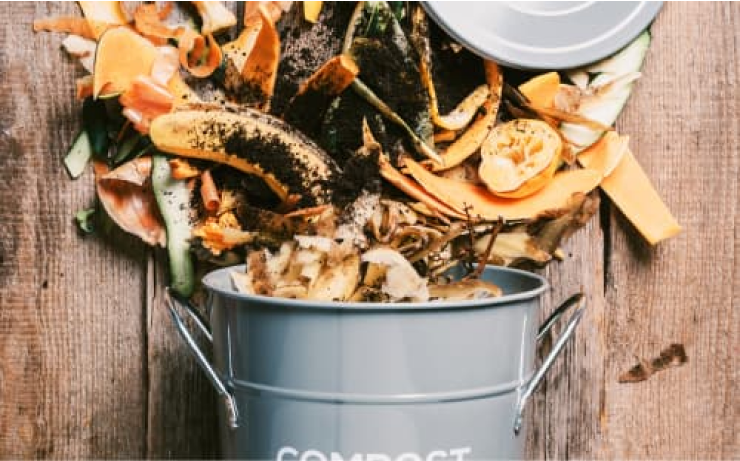
Automated Sorting Systems
Lorem ipsum dolor sit amet consector.
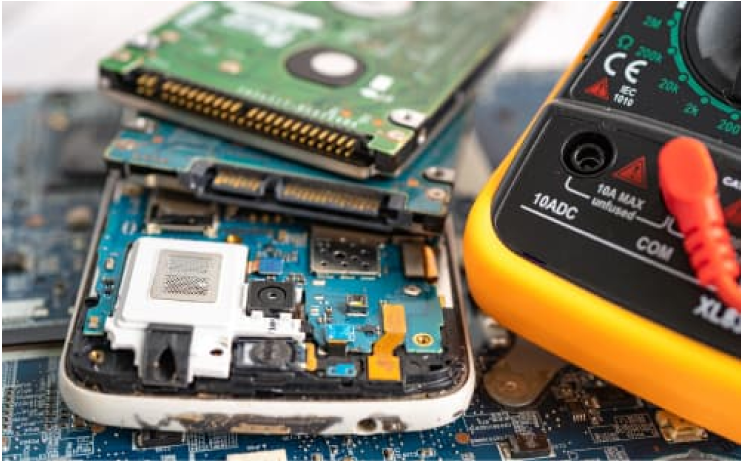
E-Waste Recycling
Lorem ipsum dolor sit amet consector.
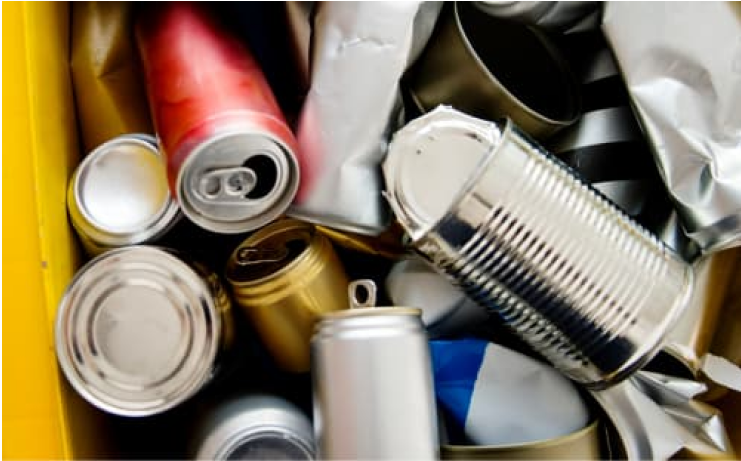
Metal Recycling
Lorem ipsum dolor sit amet consector.
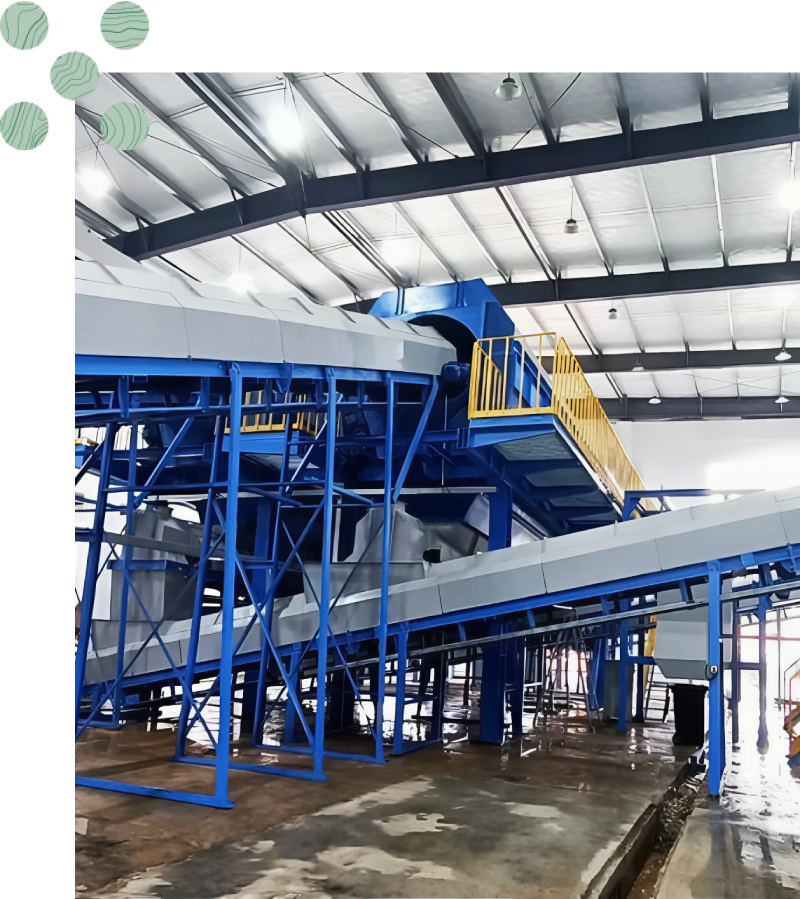
3D Visualization of the Sorting Process
Key Features and Benefits
High Capacity
The ability to process 1,000 tons of MSW per day significantly reduces the amount of waste sent to landfills.
Efficient Sorting
Advanced technologies, such as optical sorters and magnetic separators, enable precise material separation.
Resource Recovery
Valuable materials, like metals and plastics, can be recovered for recycling, reducing the demand for raw materials.
Environmental Benefits
By diverting waste from landfills, these facilities help to conserve natural resources and reduce greenhouse gas emissions.
Economic Benefits
Recycling recovered materials can generate revenue, offsetting the costs of waste management.
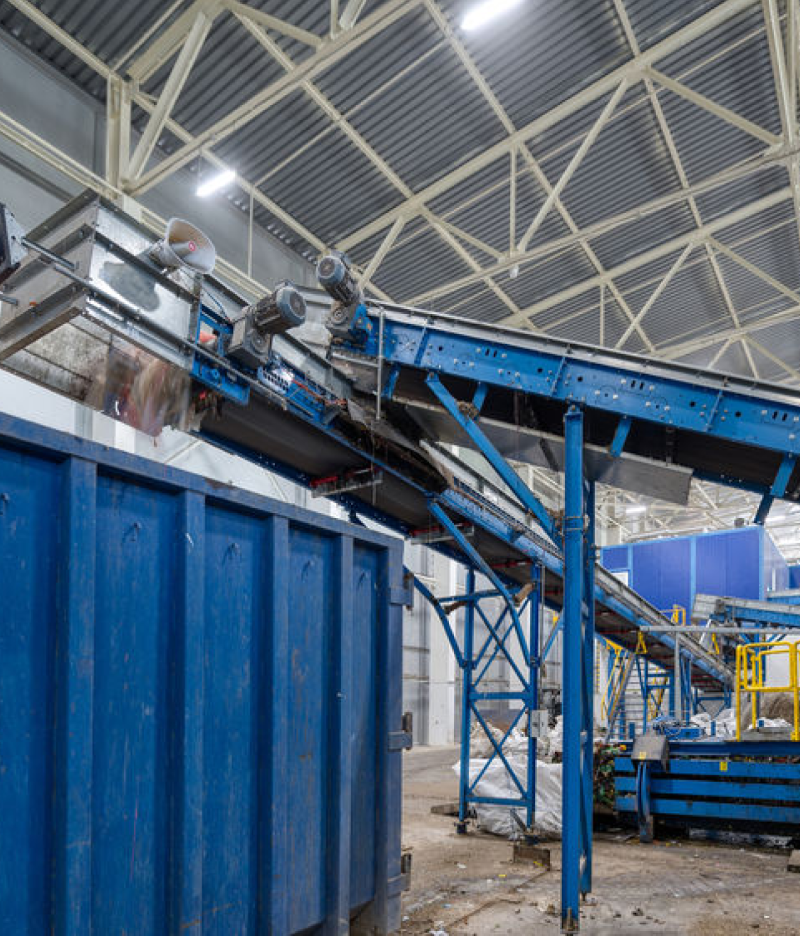
Typical Components of a 1,000 Ton-Per-Day MSW Sorting Facility
Incoming Material Handling
Systems for receiving, storing, and feeding waste into the sorting process.
Pre-Processing
Equipment for shredding, screening, and removing oversized or bulky items.
Material Separation
Optical sorters, magnetic separators, and other technologies for separating different types of materials.
Recycling and Recovery
Equipment for baling, compacting, and storing recyclable materials.
Composting
Facilities for processing organic waste into compost.
Landfill Diversion
Systems for ensuring that non-recyclable or non-compostable materials are properly disposed of. These facilities play a crucial role in sustainable waste management by maximizing resource recovery and reducing the environmental impact of waste disposal.
Solutions
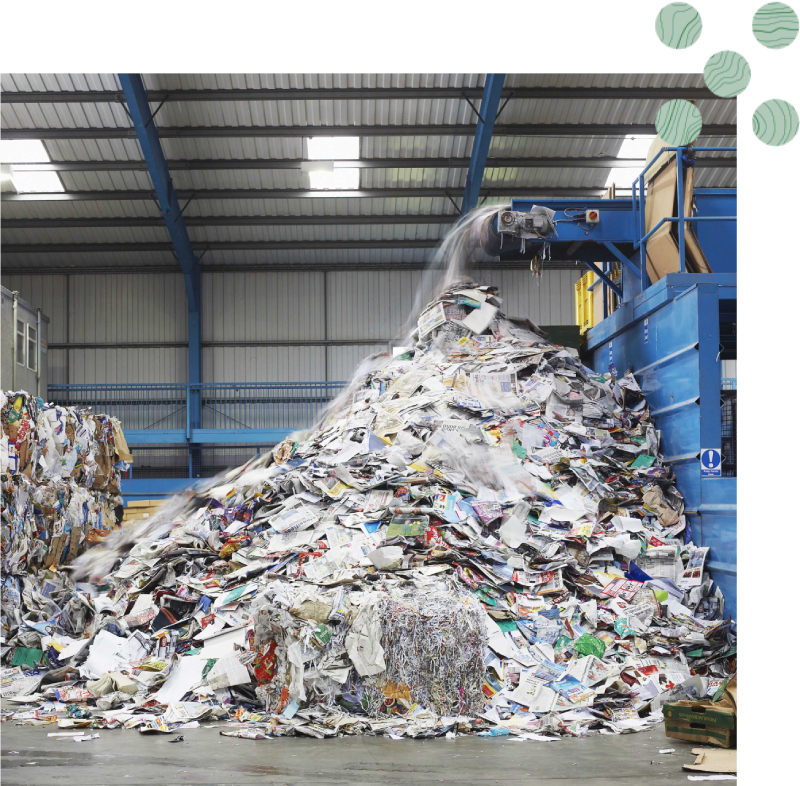
The environmental impact of a 1,000-ton-per-day waste sorting and processing facility
- Landfill Diversion: 750 ton per day
- Annual Diversion: 273,750 tons per year
- Resource Recovery: 300 tons per day
- Annual Recovery: 109,500 ton per year
- Energy from Waste: 500,000 kWh per day
SUMMARY
- Waste Processed Daily: 1,000 tons
- Waste Diverted from Landfill: 750 tons
- Recyclables Recovered: 300 tons
- Energy Generated: 500,000 kWh/day
- Daily Truck Trips: 100 trips
- Potential Hazardous Waste: 10 tons
- Annual CO₂ Removal: 136,875 tons
Incineration
Incineration is the controlled process of burning waste at high temperatures to reduce its volume and generate energy. This method converts organic materials into ash, gases, and heat. While incineration helps minimize landfill use and can produce energy (in the case of waste-to-energy plants), it also requires effective emissions control to minimize air pollution. Properly managed incineration plays a role in integrated waste management systems by providing a way to deal with waste that cannot be recycled or reused. Together, these processes provide a comprehensive approach to waste management, aiming to minimize environmental impact while maximizing resource recovery.
Sorting
Sorting is the initial step in Wasteomatic's waste management, where different types of waste materials are separated based on their characteristics, such as type (organic, recyclable, hazardous), size, or composition. This process is crucial for maximizing recycling efforts, reducing contamination, and ensuring that materials are processed appropriately. Effective sorting allows for better recovery of valuable materials and minimizes the amount of waste sent to landfills.
Shredding
Shredding involves mechanically breaking down larger waste materials into smaller, manageable pieces. This process is essential for reducing the volume of waste and preparing it for further processing, whether recycling or incineration. Shredded materials can be more easily handled, transported, and processed, and can also enhance the efficiency of incineration by allowing for more uniform combustion.
Recycle
The final step involves those sorted and processed materials being reprocessed into new products or materials. Recycling helps conserve natural resources, reduce pollution, and minimize the amount of waste sent to landfills. It promotes a circular economy by turning waste products back into usable materials, thereby supporting sustainability efforts.